

Consider stress. The mere mention of the word may trigger unpleasant feelings, a connotation of hardship or adversity. But through the ESF, we perceive stress differently, not as a corrosive force, but a vital sign, an evolutionary tool enabling us to navigate the labyrinth of life.
Each of us is a product of an unbroken chain of survival, a testament to our ancestors’ tenacity and adaptability. Over the eons, stressors — be they predators, rivals, diseases, or environmental changes — shaped our evolution. They influenced our behaviors, our physical traits, and most interestingly, our minds. It was through dealing with these stressors that we developed our uniquely human abilities: language, reasoning, empathy, and creativity. Our brains, those intricate networks of neurons, are monuments to the adaptive power of stress.
Beyond survival, stress and the ensuing adaptations are also about expressing and experiencing life in all its richness. Take, for example, neurodiversity, a concept celebrated in the ESF. It recognizes that the human brain does not come in a one-size-fits-all package, but rather, it is richly diverse in its structure and function. This diversity, far from being a deficit, is the wellspring of innovation, resilience, and adaptability, allowing our species to thrive in myriad environments.

In essence, the ESF sheds light on the interconnected tapestry of life, unraveling how the warp and weft of stress, energy, and cooperation interlace to form the intricate patterns of biodiversity and neurodiversity. It tells us that our existence is far from random, and that we are the product of a symphony conducted by evolutionary forces in the grand theatre of life.
But what of the future? Just as our past was shaped by the dance of adaptation, so too will our future. With escalating global challenges such as climate change, resource scarcity, and widening social inequalities, the way we adapt and cooperate will be crucial. The ESF invites us to leverage our understanding of our adaptive past to navigate the future, fostering resilience, innovation, and cooperation for the well-being of all.
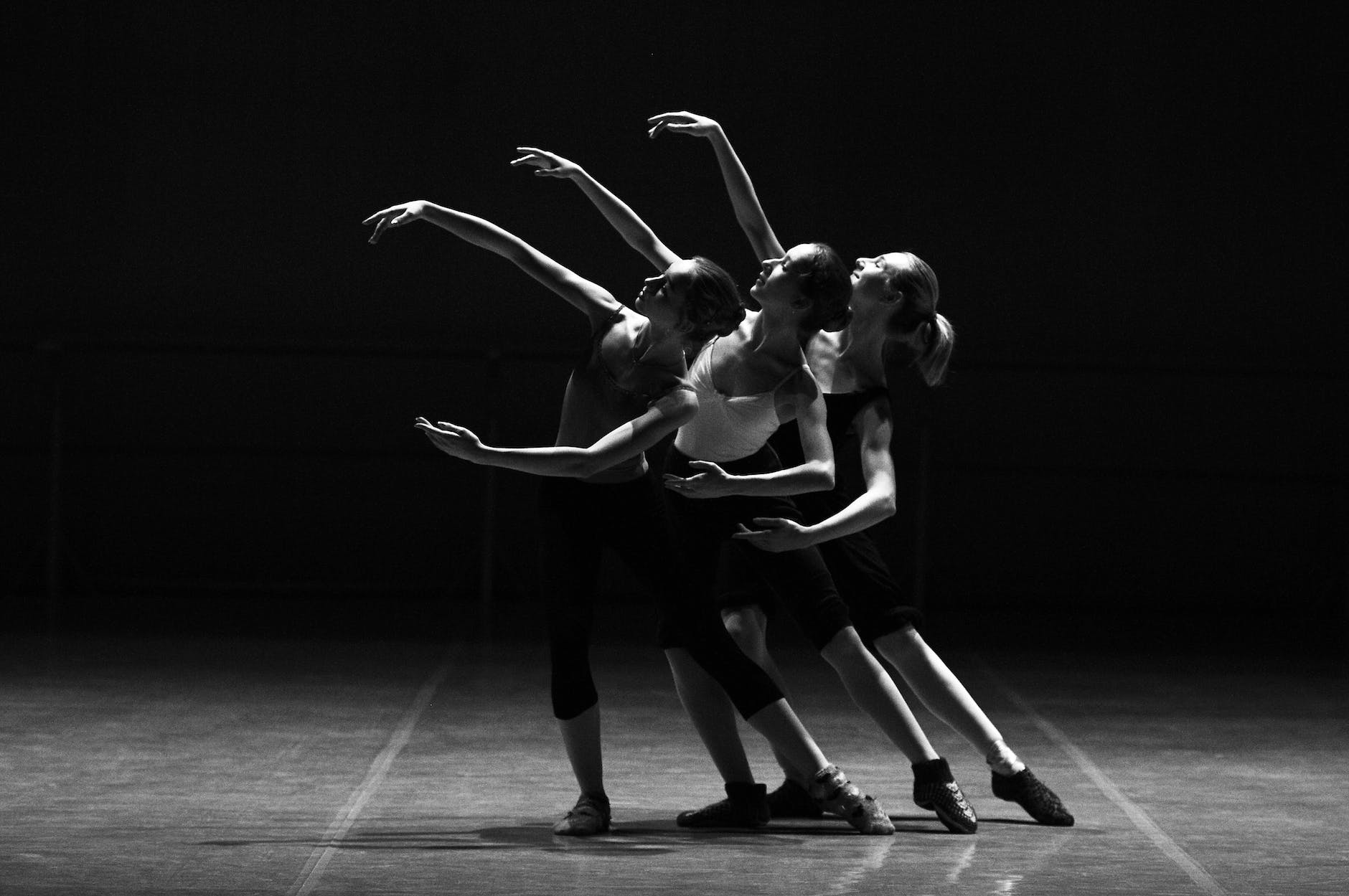
So, as we step into the dance floor of the future, guided by the evolutionary beat, remember this: It’s not all random. We’re part of an evolutionary choreography, and the rhythm is in our genes. The Evolutionary-Stress Framework helps us understand the steps, recognize the beat, and move with grace in this dance of life.

As we continue exploring the depths of the human mind and the breadth of human experiences, let’s not forget the strength and resilience ingrained within us by countless generations of evolution. We, humans, are remarkable beings, each with our unique neurotype. We are dancers in the great evolutionary ballet, gracefully moving to the rhythm of life’s constant change.
The ESF, together with the neuro-central and neuro-peripheral models, not only illuminates our past but also holds promise for our future. By applying these insights, we can build societies that honor diversity, promote inclusion, and foster wellbeing. These models remind us that when we dance with the evolutionary rhythms, instead of against them, we create a harmonious future where everyone can flourish.
Together, we are composing the symphony of human evolution. Let’s make sure it’s a melody that echoes with understanding, compassion, and resilience. The dance floor of the future awaits, and we all have a role to play in this grand performance. #EvolutionaryRhythms #Resilience #Neurodiversity #FutureIsInclusive.

Leave a Reply