
Discussion
-
From Precision Parts to Precision Systems
Personalized medicine keeps almost arriving. Here is the level it has been missing — and why the science of neurodiversity is where it gets found. There is an adventure science set aside almost before it began. The method that made modern medicine powerful also told it what to ignore: anything that would not resolve into… Continue reading
-
Where the Observer Meets the Researcher: Autistic Lived Experience as Independent Triangulation

“I did not learn their frameworks and then apply them to my experience. I recognized my experience in their frameworks. The distinction matters enormously.” Continue reading
-
What We Measure Is What We Miss

The autism field measures behavior. It measures social performance. It measures relational patterns. All real. All important. All surface. ABA, social-communication research, and attachment-based models disagree about almost everything — except one thing none of them examine: they’re all measuring the outputs of a system rather than the dynamics of the system itself. When the… Continue reading
-
The Candle Flame and the Coherence Tax
You can have two people spending the same total metabolic energy, one coherent and one incoherent, and the incoherent one is in far worse shape — not because they’re spending more energy, but because the energy they’re spending isn’t buying coordination Continue reading
-
Beyond Causation: Reframing Autism Through the Biopsychosocial-Nutritional Model and the Evolutionary Stress Framework
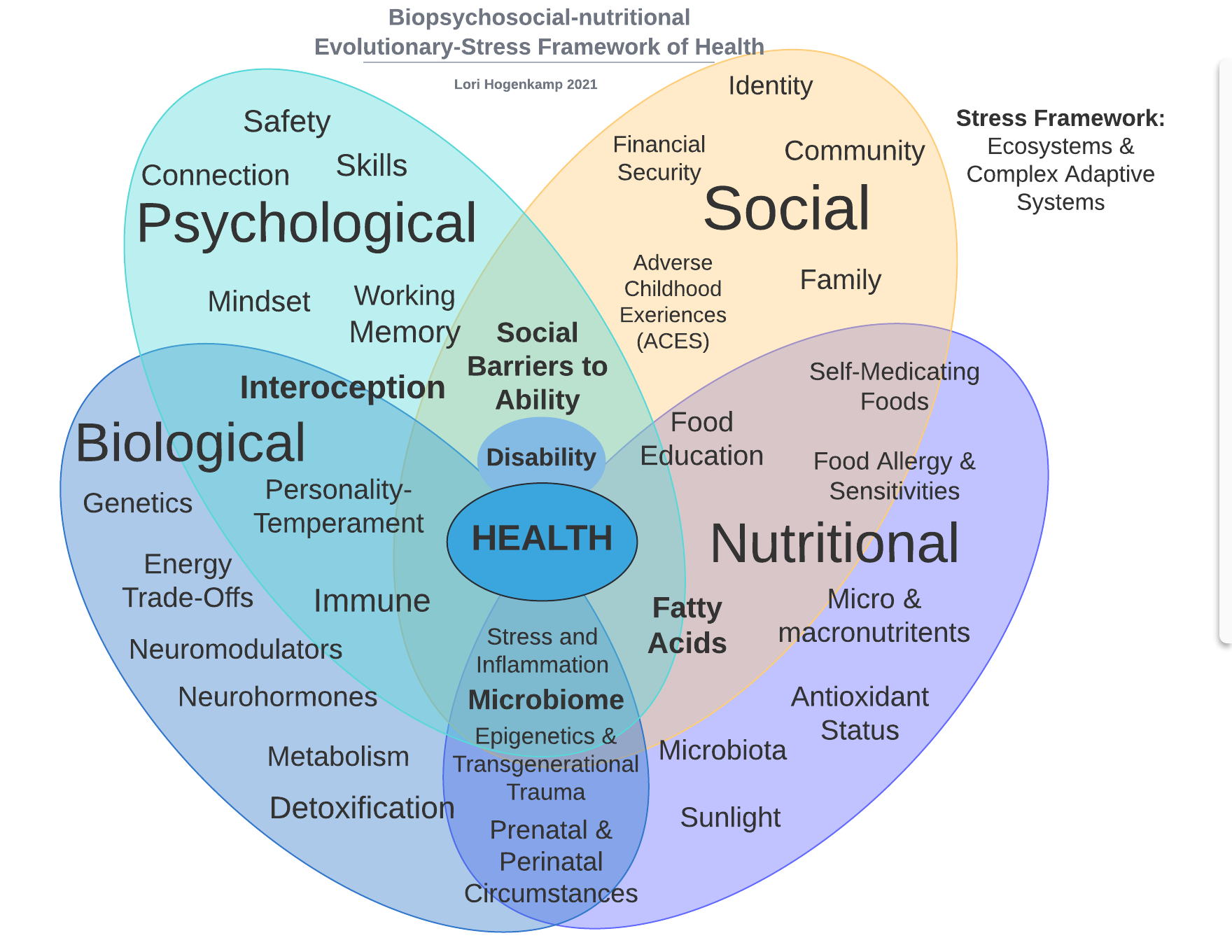
This paper, developed in collaboration with ChatGPT, presents the Biopsychosocial-Nutritional (BPSN) model and the Evolutionary Stress Framework (ESF) as integrated frameworks to understand autism as an emergent neurotype. The authors aim to move beyond genetic determinism and environmental blame models by emphasizing the dynamic interplay among biological, psychological, social, and nutritional factors in neurodevelopment. They… Continue reading
-
Beyond Smart and Dumb: The Power of Cooperative Neurodiversity
Cooperative Neurodiversity and Intelligence Spectrum Have you ever heard someone say, “How can you be so smart yet so dumb?” This paradoxical question often haunts many of us, especially those in the neurodivergent community. I recently attended a neurodivergent improv comedy show where this topic came alive in a poignant way. A friend on stage… Continue reading
-
Article Review: Challenging the Linear Logic in ADHD and Autism Discourse
The recent Guardian article “The truth about ADHD and autism: how many people have it, what causes it, and why are diagnoses soaring? presents a detailed examination of the rising prevalence and diagnostic trends of these profiles. While the facts presented are accurate and informative, the article is still entrenched in a dichotomous framework that… Continue reading
-
Universal Design for Cooperative Neurodiversity: The Fan Analogy
The Fan Analogy: Illustrating the Need for Inclusivity in Cognitive Environments Summary: The ‘Fan Analogy’ serves as a compelling narrative to underscore the heterogeneity of neurocognitive experiences and the necessity for inclusive strategies within environments that cater to diverse neurotypes. This analogy provides a tangible understanding of the principles of Universal Design and the challenges… Continue reading
-
Empathy Won’t Fix Stigma: A Case for Radical Love and Cooperative Neurodiversity
Introduction Empathy, often lauded as the panacea for social ills (Moss 2023), may not be the silver bullet we hope for in eradicating stigma, particularly when it comes to neurodiversity. The traditional linear healthcare models and societal norms have failed to address the multidimensional aspects of human behavior and cognitive diversity, inadvertently perpetuating stigma. Inspired… Continue reading

About
Recent Posts
- What is Linear vs Nonlinear Science?
- The Biopsychosocial-Nutritional Model
- Why Medicine Needs Neurodiversity and Systems Science