
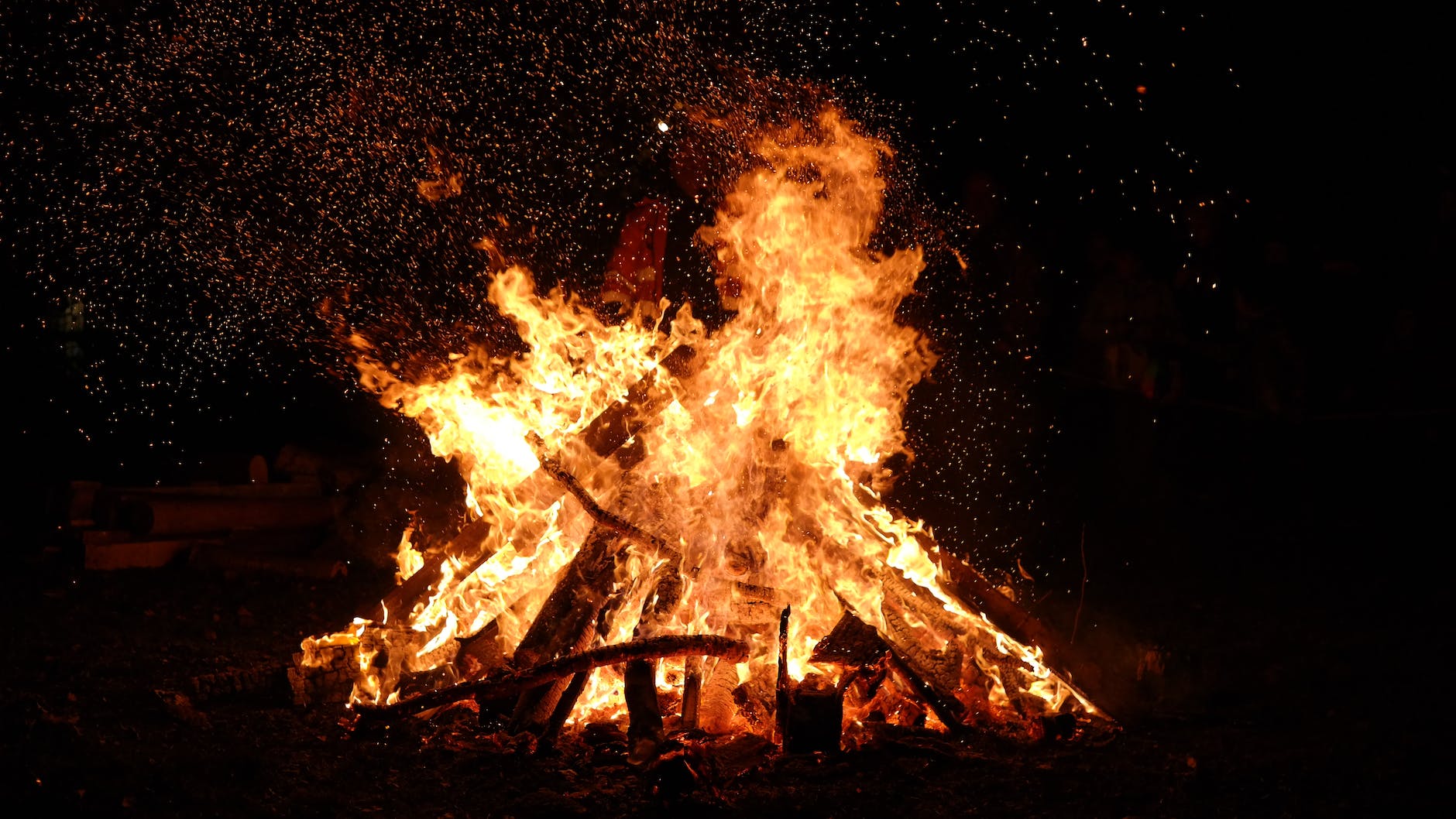
The discovery of fire marks a revolutionary chapter in human history. Its advent sparked profound changes, shaping our ancestors’ lifestyle, societal structure, diet, and perhaps most intriguingly, the evolution of our brains. This article delves deeper into how fire ignited cooperative evolution, leading to the emergence of neurodiversity.

Fire and the Birth of Cooperative Communities
Long before the rise of organized societies, early human communities were molded by shared experiences, mutual needs, and collective resources. One of the most impactful shared experiences was the control and utilization of fire. This newfound power not only offered warmth, protection, and a means to cook food but also acted as a catalyst for cooperative living.
Fireplaces or hearths became central gathering points, reinforcing communal bonds. As indicated by studies from the American Museum of Natural History, the warmth and light of the fire drew individuals together, promoting communication, shared experiences, and the development of a more complex social structure.
The use of fire necessitated cooperation. Its control and maintenance required collective efforts, spurring early divisions of labor and the emergence of specialized roles. As such, the act of gathering around the fire each day served as a foundational event that promoted social interaction and collective living.
Dietary Impact: Caloric-rich Foods and Brain Development
In tandem with promoting cooperative living, fire also transformed our ancestors’ diet. The advent of cooking made food easier to digest, which facilitated a substantial increase in caloric intake. The surplus of energy provided a significant evolutionary advantage.
As detailed in a publication in ‘Frontiers in Sociology,’ the transition to a cooked diet marked a vital turning point in our evolution, particularly concerning brain development. The human brain is an energy-demanding organ, and the caloric surplus from cooked meals directly supported brain growth and function.
In addition, cooking also lessened the time and energy our ancestors had to invest in chewing, allowing more time and energy to be directed toward other pursuits, including enhanced social interaction and cognitive endeavors.
The Birth of Neurodiversity: Spectrum of Cognitive Adaptations
As human societies evolved, became more complex, and roles diversified, a spectrum of cognitive adaptations or neurotypes emerged. On one end of the spectrum were individuals with what we now term the “Average Neurotype.” These individuals were largely socially oriented, focusing on communal cohesion, shared security, and maintaining harmonious relationships within the group.
On the other end of the spectrum were the “Peripheral Neurodivergents.” These were the outliers, the innovators, the risk-takers whose unique cognitive capabilities lent themselves to roles requiring creativity, exploration, leadership, and novel thinking. Their passions often drove progress and change within their communities.
Both neurotypes played vital roles within their societies, and the diversity between them was crucial for the overall resilience and adaptability of these early communities. The concept of neurodiversity, like biodiversity in an ecosystem, is a testament to the rich cognitive diversity that emerged from our ancestors’ adaptive responses to various environmental stressors.
Conclusion: Embracing Neurodiversity in Modern Societies
The discovery and control of fire significantly influenced the course of human evolution. It fostered the birth of cooperative communities, influenced our dietary practices, and indirectly contributed to the emergence of neurodiversity. Understanding these historical roots of neurodiversity can enrich our appreciation of cognitive diversity and inform modern discourse on inclusion and diversity.
In essence, neurodiversity underscores the strength inherent in cognitive differences. It reminds us that as our ancestors found unity and resilience in their diverse community around the hearth, we, too, can build stronger, more inclusive societies by embracing our diverse cognitive perspectives and abilities. Thus, as we move forward, the narrative of neurodiversity should continue to shape our collective ethos, promoting acceptance, understanding, and mutual respect.
Further Reading:
Fire and the Brain: How Cooking Shaped Humans
American Museum of Natural History
https://www.amnh.org/explore/science-topics/microbiome-health/fire-cooking-human-evolution
Behavioral Specialization During the Neolithic—An Evolutionary Model
https://www.frontiersin.org/articles/10.3389/fsoc.2018.00035/full
Evolution of heritable behavioural differences in a model of social division of labour
https://www.semanticscholar.org/paper/Evolution-of-heritable-behavioural-differences-in-a-V%C3%A1s%C3%A1rhelyi-Mesz%C3%A9na/be64b8e3ede9a9b41e8c04daa89aedccde4a64ef
Individuality drives collective behavior of schooling fish:
Researchers unravel role of individual characteristics in collective behavior of animal groups https://www.sciencedaily.com/releases/2017/09/170907142731.htm
Evolution Of Animal Personalities https://www.sciencedaily.com/releases/2007/05/070530132400.htm
Complementary Cognition: The Evolution of Collective Intelligence
https://scitechdaily.com/complementary-cognition-the-evolution-of-collective-intelligence/

Leave a Reply